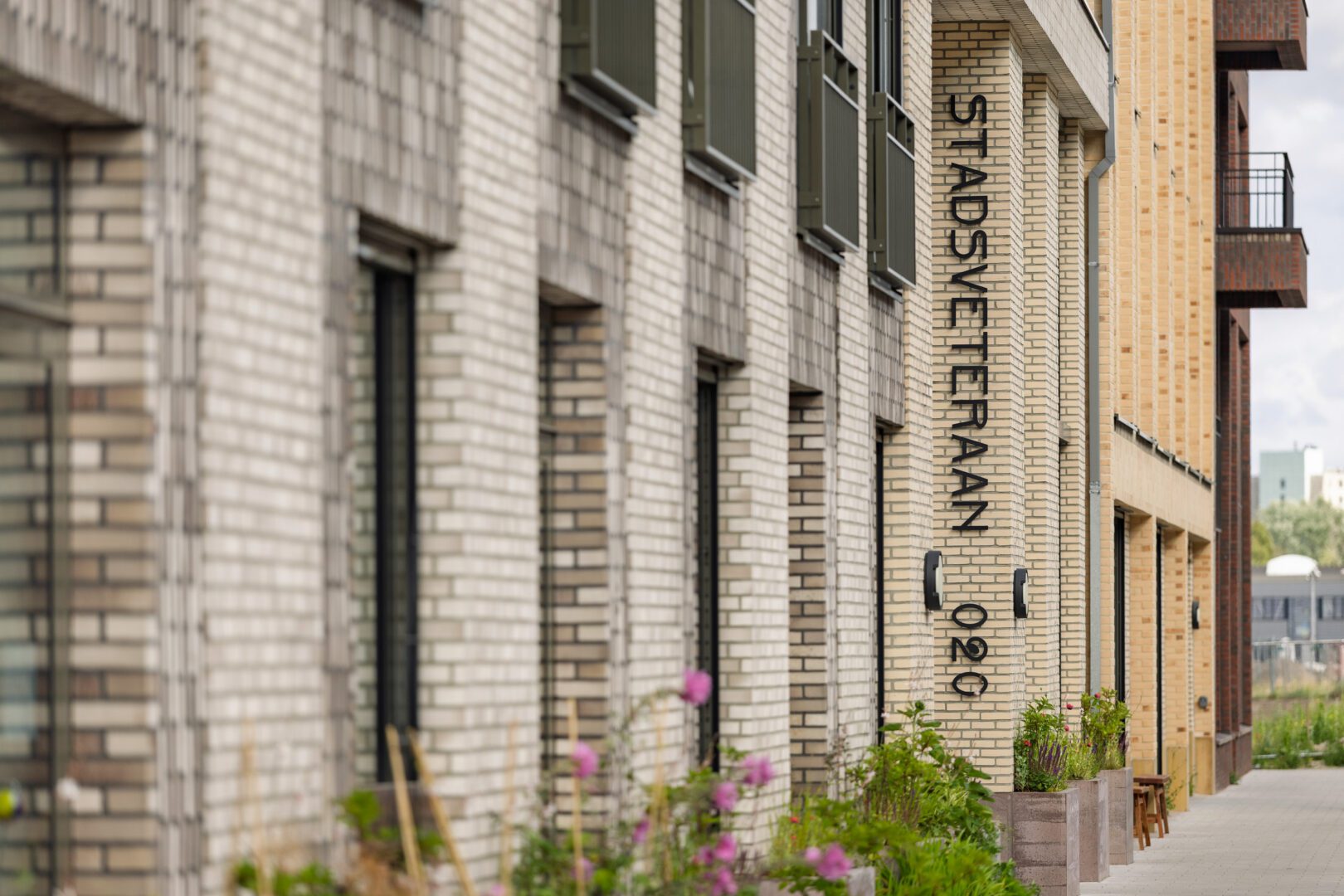
Sharing cars with your neighbors: a sustainable solution for those who don't need a car every day. Area developer AM therefore facilitates shared mobility in many of its projects. But does it also appeal to an older target group? The test was put to the test in the Amsterdam residential complex for people over 55, Stadsveteraan 020, with surprising success. The residents are keen to use the shared cars and bicycles, demonstrating that shared transport also has a future for seniors.
Never too old to share
Journey of discovery in shared mobility
Lars Drijvers, Development Manager at AM, and Matthijs Boon, Head of Commerce & Marketing at Hely, explain the somewhat unexpected success of shared cars and bikes at this location. Lars: “When we started this project with housing association Woonzorg Nederland, we weren't sure whether it would work for this target group. It was still a journey of discovery. But it seemed like the perfect project to try it out.”
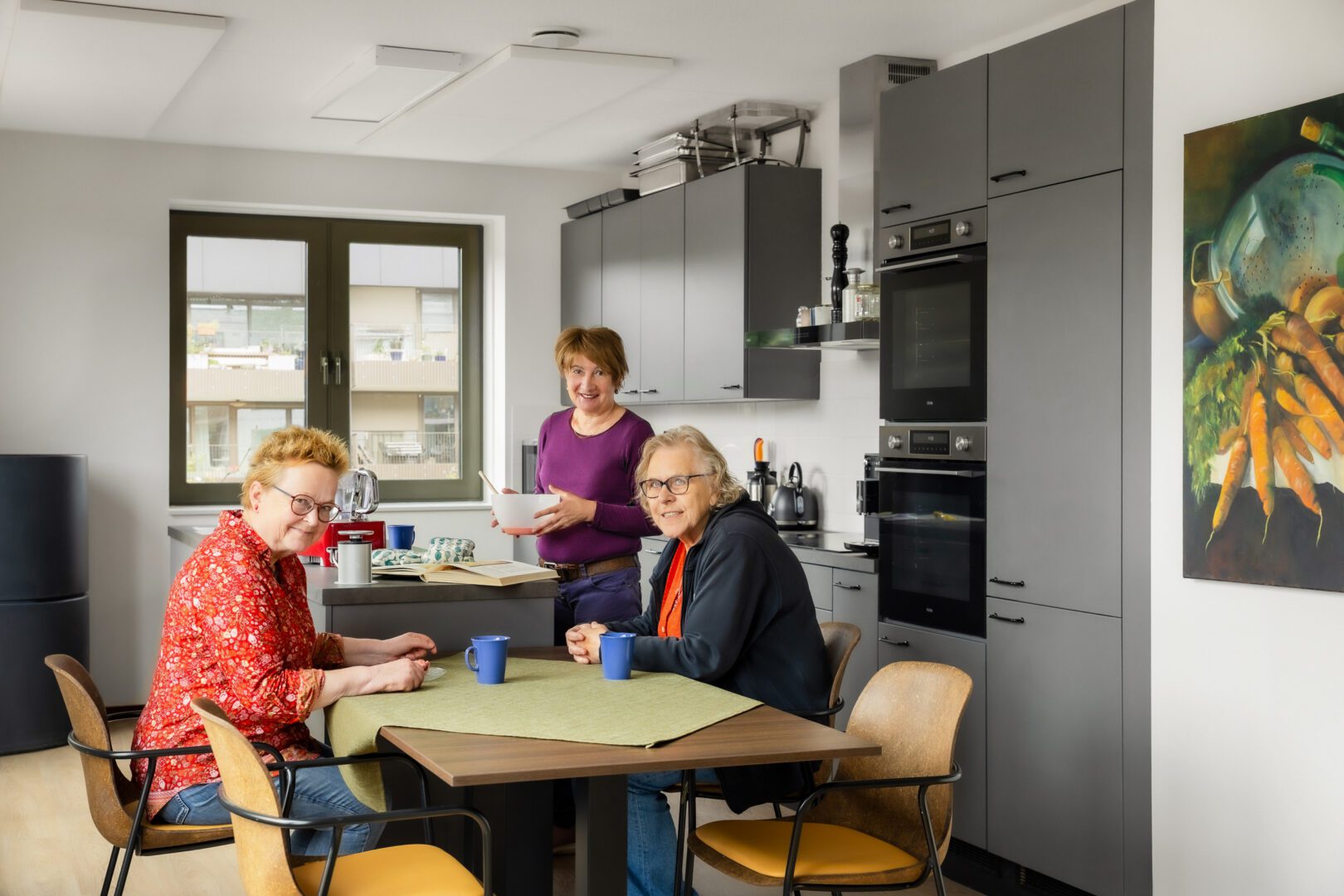
According to Lars, there were a number of conditions that contributed to the success. "The concept of Stadsveteraan 020 responds to a clear need among seniors for more social interaction and communal living. Research shows that a large apartment is not the most important thing for this target group, as long as there are pleasant places where they can meet and undertake activities together. That is why Stadsveteraan 020 includes communal areas and shared facilities. This creates a lively, close-knit community. The residents have consciously chosen this living concept."
“There is a real sense of community here. There is a studio, a space for musicians, a space for dance classes, and we also meet in the garden. Recently, someone had hip surgery, and people stopped by to ask if they could run errands for them. I would be surprised if there were people living here who felt lonely.”
Resident Ruud Angela (67)Active seniors
Sharing facilities also ensures that living in the city remains affordable. Lars: "This is social housing for active seniors who want to continue living in the city. To keep it affordable, they share facilities such as the garden, recreational areas, and therefore also mobility. There is no room for private parking spaces, but that is not a problem here. Almost everything is accessible on foot, by bicycle, and by public transport."
But precisely because this group is still active, AM and Woonzorg Nederland also sought a solution for trips outside the city. “You shouldn't underestimate how active these people are,” says Lars. “They like to go on day trips, and their children don't always live nearby. With shared cars, they can continue to do so. It's just organized differently than they're used to. It takes a little time to get used to.”
“During the introductory day for this residential complex, shared mobility was already presented and there was an opportunity to ask questions. But I'm a car enthusiast. Owning a car is also part of your identity. So I was quite apprehensive about the switch. Now I'm completely convinced. I also think electric driving is fantastic. I'm even promoting it to my friends now,” says Ruud Angela.
Tailored to the target group
AM and Woonzorg Nederland chose Hely to implement the project. “This was a new target group for us too,” says Matthijs Boon. “We knew that the residents were active and knew how to use WhatsApp, but we took into account barriers such as creating an account or opening a car via an app. That's why we provided extra explanations, created a flyer, and instructed our support team to take more time. In the end, it went smoothly, and we heard back that it was easier than expected.”
"It was much easier than I expected. Whenever we need a car, one of the three is always available. We do a lot on foot here, but if we want to spend a day at the beach or visit our daughter in Almere, we use the shared cars. Despite my retirement age, I still run a tax consultancy business with my son. I also use the shared car for appointments outside Amsterdam. We pay per trip, which is much cheaper than owning our own car," says Ruud.
Together on the road
To ensure that the use of the shared cars got off to a good start, a shared moving van was even used in the first few months. Matthijs: “That was a smart way to introduce residents to the Hely platform. They could use the van when they moved house. An accessible first experience.”
Residents continued to help each other after that. Lars: “The residents share the garden and the communal areas, so they easily talk to each other. That also makes it easier to help each other with the app or the first ride. One of the residents has also initiated a ‘digital consultation hour’ and helps other residents with all kinds of digital questions.”
“Some residents are still a little hesitant. Personally, I'm good with computers. It's very simple and straightforward. Recently, a fellow resident asked me to explain how it all works. So I showed them. Precisely because we are a close-knit community here, we know where to find each other and can support each other.”
Resident Ruud Angela (67)Promising figures
Hely now has three electric shared cars, two e-bikes, and two regular city bikes available for Stadsveteraan 020. Matthijs: "Of the 145 households, 40 have an account. Of these, about 15 make at least one trip every month. About thirty trips are made per month, so on average, someone is on the road every day.“ Lars adds: ”And we've only been doing this for a year. We expect residents to become more accustomed to using the service and that the numbers will continue to rise."
The electric shared bikes are also proving popular. Some residents use their own bikes, but the e-bikes are ideal for popping into town with visitors. It is also striking that senior citizens continue to cycle even in winter. Matthijs: “Whereas in places like the Zuidas we see bike rides come to a complete standstill in January and February, these diehards just keep on cycling. It's great to see!”
Car sharing as a connecting factor
The experiences at Stadsveteraan 020 show that shared mobility is not a one-size-fits-all solution. While young people are mainly looking for convenience and cost savings, seniors value social interaction, overview, and control. By carefully observing the behavior and habits of residents, it is possible to create an offering that is not only sustainable but also contributes to community spirit.
“Shared cars not only ensure sustainable mobility here,” says Lars, “but also contact between residents. And that is perhaps the most beautiful thing about its success.”