AM develops social neighbourhoods. Naturally, we do this by designing areas intelligently. But we also facilitate connection by actively bringing people together. Sales Manager Stef van Berkel seizes these opportunities even before the homes are built. He explains why it is so important to create an engaged neighbourhood at that stage.
How areas become home
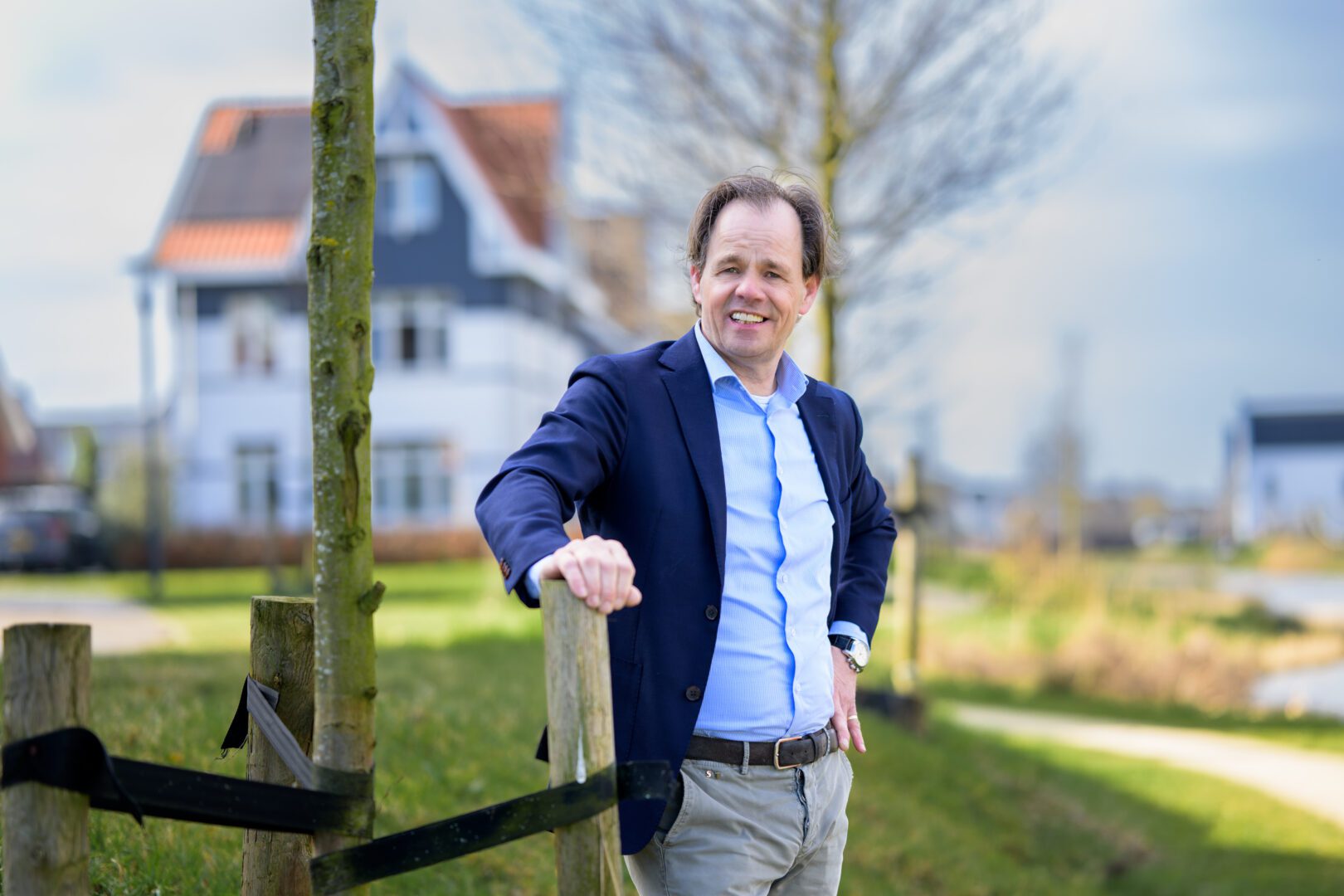
The connection you feel in the neighbourhood where you live is difficult to express in figures. It is a feeling that stems from various factors. Such as the way residents interact with each other, how often they meet in communal areas and how they interact with the neighbourhood and those communal areas. Stef explains why it is important for AM to facilitate this: "You could say that something like this grows naturally, but if we facilitate it right from the start, everyone benefits. A social neighbourhood where residents and local residents feel involved is a better living environment. When people see each other more often and get to know each other better, they look out for each other more. The neighbourhood gains an identity, becomes more pleasant, safer, cleaner and even healthier. That's how you add value to the neighbourhood. It starts with participation and design and continues with placemaking."
We provide walking and cycling paths and sports and play facilities so that people can meet each other when they are outdoors.
Getting people moving
AM therefore tries to stimulate community spirit and involvement in the neighbourhood with smart designs. "For example, we create car-free areas such as courtyards and inner courtyards, with facilities that make it easier for people to meet each other. Such as benches in green areas or extra-wide window sills so that you can sit outside your house with your neighbours and enjoy a cup of coffee in the sun. We provide walking and cycling paths and sports and play facilities so that people can meet when they are outside." Stef also ensures that placemaking is addressed at an early stage: creating a sense of community even before the area is built. He is a true connector. Stef: ‘In every project, I see opportunities to bring new residents, local residents, entrepreneurs and the municipality closer together and closer to the area.’ His enthusiasm arose when he was involved in Hoef en Haag, the new village near Utrecht that AM developed. Stef: "I knew we had to offer added value if we wanted to convince the people of Utrecht to move to the village. I had to get people to come and see it for themselves. One of the ways I did this was by linking our housing shop to a catering business, for which we approached a local entrepreneur. This allowed people to get information about the project from us and have a cup of coffee or lunch at the same time. We also organised activities from that home furnishings shop to attract people to the location, bring them together and give the area an identity. Examples include a running competition for young people and a breakfast with the new supermarket. We organise these initial events in the hope that the residents will then take over, and it also provides a good basis for marketing the area.
Building trust
Stef also saw opportunities in the “Eilanden van Hain” project to connect future residents with each other and, at the same time, draw attention to issues such as safety and sustainability. Stef: "This area is being built on a historic site. There were beautiful old trees there, and local residents were concerned that we would cut them down. As a sustainable area developer, we decided to move the trees to a depot and replant them later. To draw attention to this and create a connection with local residents, we organised a Tree Day. During this day, people were allowed to dig up seedlings for free. ‘I came up with a catchy slogan: “Ready for a new spot?”, which we used to generate publicity. It brought a lot of enthusiastic people to the location.’ Stef explains that he is always looking for activities that further the project and involve all parties concerned. "These activities show that we do what we promise. We are a sustainable area developer, and through actions like this, we also build trust in that. It creates support among the people and, at the same time, positive PR for the project."
By being accessible and involving people, you can even turn a challenge into something positive for the neighbourhood.
Turn it into something positive
The connecting initiatives also contribute to the developer's approachability, Stef explains with an example. "At Eilanden van Hain, we had to modify the road to create a safe construction route for construction traffic. This road runs through the residential area. The residents were not happy about this. It meant that hundreds of lorries would be driving through (part of) the neighbourhood to deliver sand. We then organised a day that we called “Feet in the Sand”. We parked a lorry where children could take a look inside, we dumped sand for the children to play in, and we provided information about how we had made the situation safe. We explained to residents how we had taken the safety of road users, children and nature into account. It was very well received. By being accessible and involving people, you can even turn a challenge into something positive for the neighbourhood.”
Making people happy
According to Stef, every project offers unique opportunities. ‘This is what makes my job so varied and interesting. One day we might organise a neighbourhood safari with Jantje Beton, so that local children can decide what play facilities are still lacking in their area. The next day we might be supporting the neighbourhood association by giving guided tours of the neighbourhood and supporting their initiative for a sports field. Connecting people and making them happy? That's what I do it for!’